The Evolution of Payment Options Fueling Blackjack Variants in Mobile Tournament Structures
Written by Dana Roth · May 22, 2026
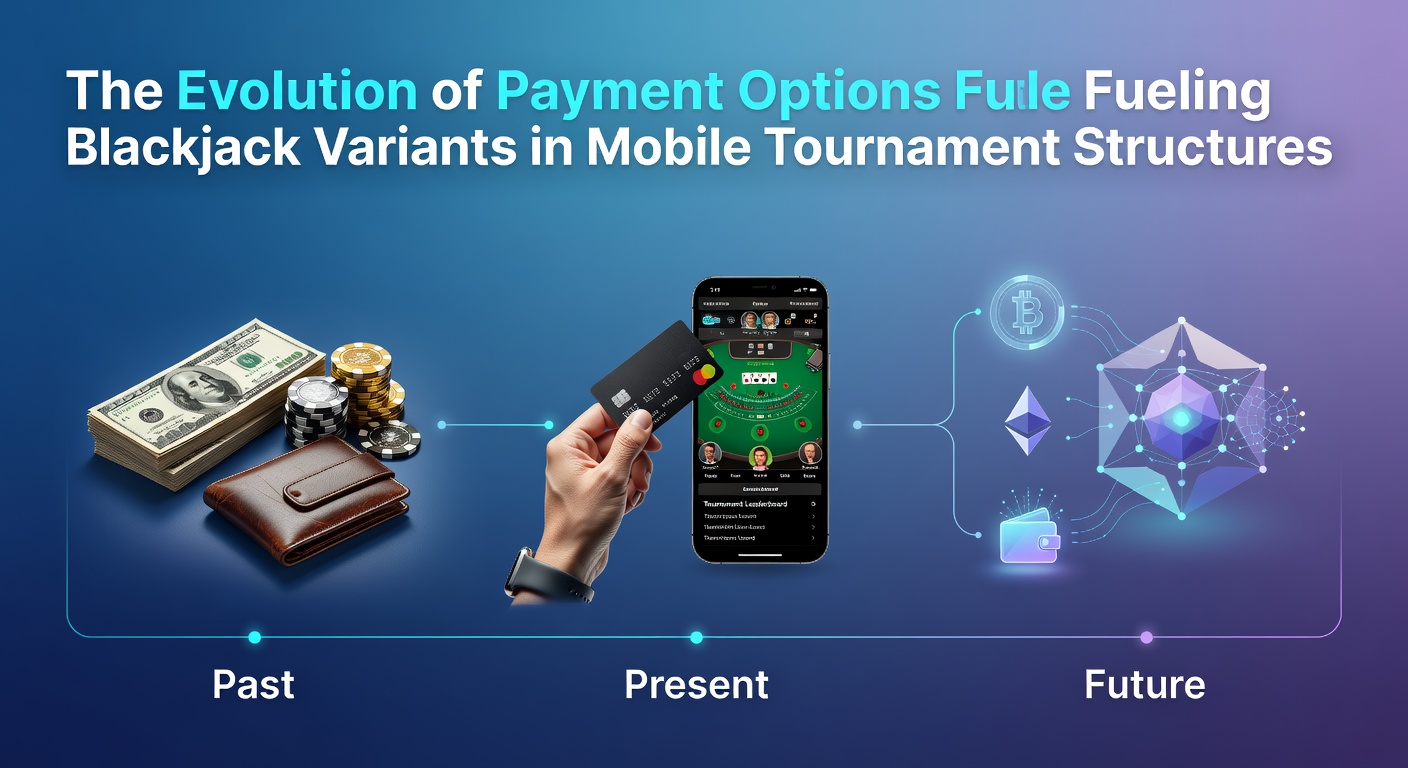
The Evolution of Payment Options Fueling Blackjack Variants in Mobile Tournament Structures
Payment systems in mobile gaming have shifted dramatically over the past decade, and observers note that these changes directly support new blackjack variants within tournament formats. Early mobile platforms relied on credit card processing that often delayed entry fees and prize distributions, whereas modern options enable instant transfers that keep tournaments running without interruption. Data from the Nevada Gaming Control Board shows steady growth in mobile blackjack participation tied to faster payment adoption, and figures reveal that transaction speeds now average under ten seconds for most digital wallets. This speed matters because tournament structures require repeated buy-ins and real-time adjustments as players advance through rounds.Early Payment Methods and Their Limitations in Mobile Blackjack
Initial mobile blackjack apps from the mid-2010s accepted only traditional cards and bank transfers, which created bottlenecks during tournament sign-ups. Players often waited hours for verification, and this slowed the rollout of variants like speed blackjack or multi-hand formats that demand quick re-entries. Research from industry reports indicates that these delays reduced overall participation rates until alternative options emerged around 2018.
Digital wallets such as PayPal and Skrill entered the space next, and they streamlined deposits while still operating within regulatory frameworks. Those who've tracked the sector point out that wallet integration coincided with the first wave of mobile-specific tournament brackets, where matches could finish in under thirty minutes. Yet processing fees remained a factor, and operators adjusted prize pools accordingly to maintain margins.
Rise of Instant and Cryptocurrency Options
By 2022, cryptocurrency payments appeared on several major platforms, and analysts link this development to expanded blackjack variants including progressive side bets and hybrid live-mobile events. Blockchain transactions provide transparency that appeals to tournament organizers who track multiple player entries across regions. Evidence from transaction volume studies shows crypto usage in gaming rose sharply during this period, supporting larger prize structures without traditional banking delays.
Instant bank transfers via services like Zelle and similar regional systems followed, and they further reduced friction in mobile tournament flows. What's interesting is how these options allowed operators to introduce daily or hourly blackjack brackets that fill quickly because entry fees clear immediately. Data indicates that regions with widespread instant payment infrastructure saw tournament frequency increase by measurable margins.
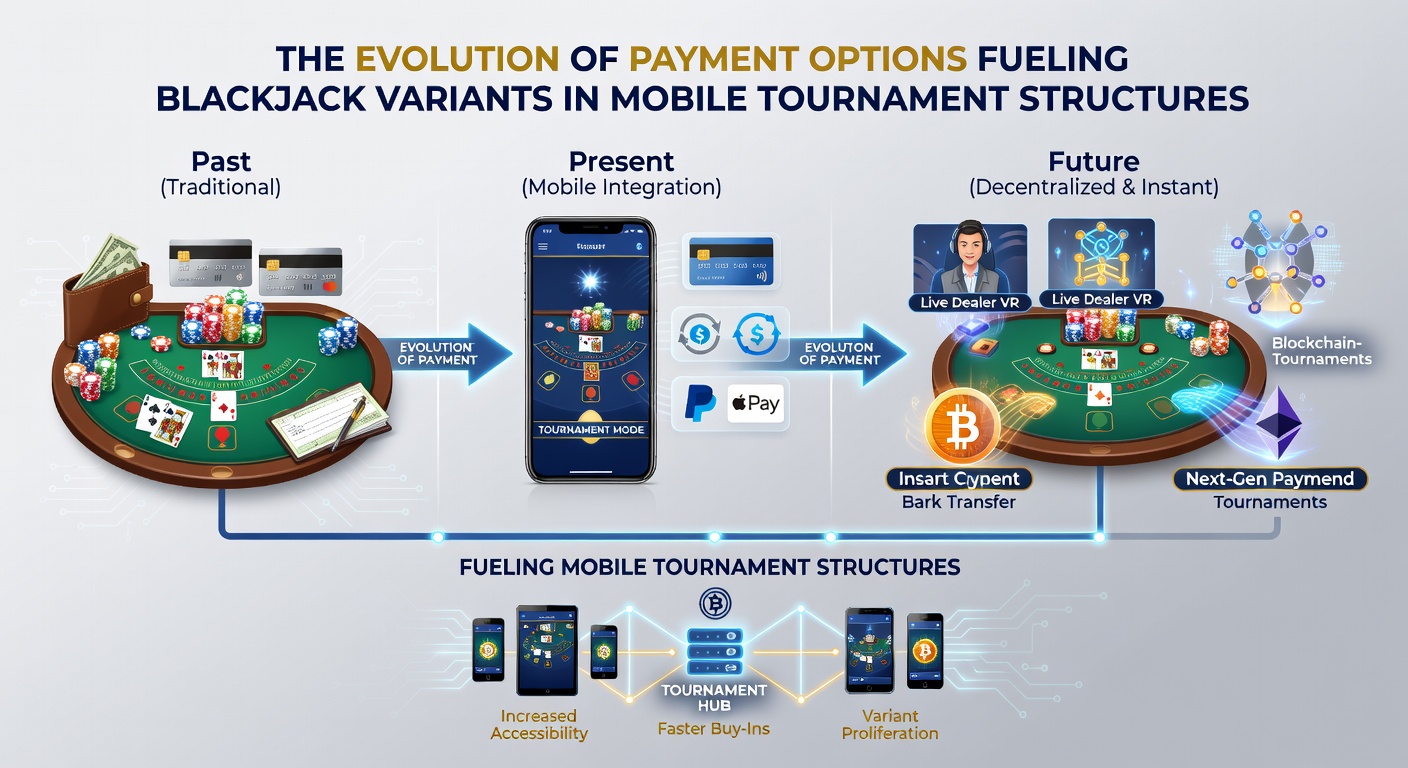
Integration with Tournament Software and Variant Development
Modern payment gateways connect directly to tournament management software, and this linkage permits dynamic adjustments such as auto-rebuys when balances update in real time. Observers note that blackjack variants like double-deck speed rounds or elimination formats gained traction once payment confirmations became reliable across devices. As of May 2026, several platforms report that over sixty percent of mobile tournament entries use integrated digital options rather than legacy methods.
Academic reviews of gaming technology highlight how payment evolution supports features like micro-stakes side tournaments that run parallel to main events. Researchers discovered that seamless funding encourages experimentation with rule variations because players can test formats without lengthy setup processes. Government data from the New Jersey Division of Gaming Enforcement confirms rising mobile handle volumes that align with these technical improvements.
Regulatory Influences and Regional Differences
Regulatory bodies across jurisdictions have shaped which payment methods reach mobile users, and this patchwork affects the availability of certain blackjack tournament types. In areas with clear guidelines for digital assets, variants incorporating real-time crypto elements appear more frequently. Australian research centers have documented similar patterns where approved instant payment rails correlate with higher engagement in structured mobile competitions.
Operators adapt by offering multiple payment tiers within the same app, and this flexibility lets tournaments scale across different player preferences. Those monitoring the field report that platforms combining traditional and emerging options maintain broader participation without fragmenting their user base.
Conclusion
The connection between payment advancements and blackjack variant growth in mobile tournaments continues to develop, driven by technical capabilities and regulatory environments. Continued integration of faster, secure methods will likely sustain the expansion of tournament structures that rely on immediate financial interactions. Figures from multiple sources demonstrate that these trends hold steady through 2026, with mobile platforms positioned to accommodate further refinements in both payments and game formats.