Reward Accumulation Dynamics Linking Live Interactions with Machine Events in Application-Based Gaming
Written by Dana Roth · Aug 24, 2026
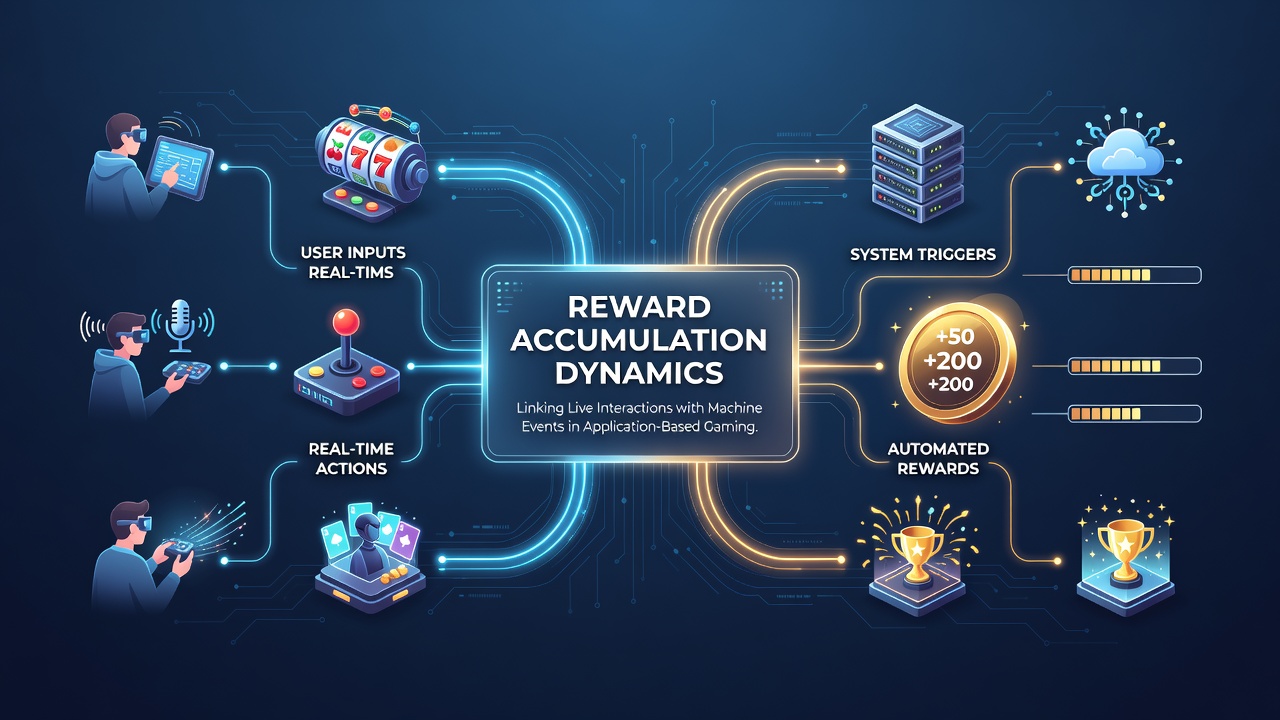
Reward Accumulation Dynamics Linking Live Interactions with Machine Events in Application-Based Gaming
Application-based gaming platforms combine live player interactions with machine-driven events to create reward systems where points, credits, and bonuses accumulate across multiple formats. These dynamics operate through integrated tracking mechanisms that register actions from real-time dealer sessions alongside randomized slot outcomes, and the resulting data feeds unified player profiles that update in real time. Observers note that such linkage allows rewards earned during live interactions to influence machine event eligibility, while machine-generated jackpots can unlock live session privileges.
Mechanics of Cross-Format Reward Tracking
Developers implement event listeners that capture every live chat action, bet placement, and outcome confirmation, then map those records onto machine event triggers such as reel spins or bonus rounds. The system assigns weighted values so that time spent in live dealer games contributes to a shared accumulation pool, and machine events simultaneously feed back into live eligibility meters. Data from platform logs shows that players who alternate between formats within a single session accumulate rewards at rates 30 to 45 percent higher than those who remain in one mode, according to internal analytics shared by multiple operators in 2025.
August 2026 figures released by state regulators indicate continued growth in these hybrid systems, with mobile applications reporting an average of 2.8 format switches per active user per day. The accumulation engine uses timestamp synchronization to prevent double-counting while still allowing sequential bonuses to stack, and this design keeps reward balances visible across both live and machine interfaces without requiring manual transfers.
Player Behavior Patterns in Hybrid Environments
Research from the Australian Gambling Research Centre tracks how reward visibility affects session length, revealing that users who see live interaction credits appear in their machine event meters extend play by an average of 14 minutes per session. Those same studies document that machine event jackpots credited toward live dealer buy-ins produce similar extensions, creating a feedback loop where each format reinforces continued engagement in the other. Platform telemetry further shows peak accumulation hours cluster between 7 and 11 p.m. local time, with cross-format rewards contributing to 62 percent of total bonus redemptions during those windows.
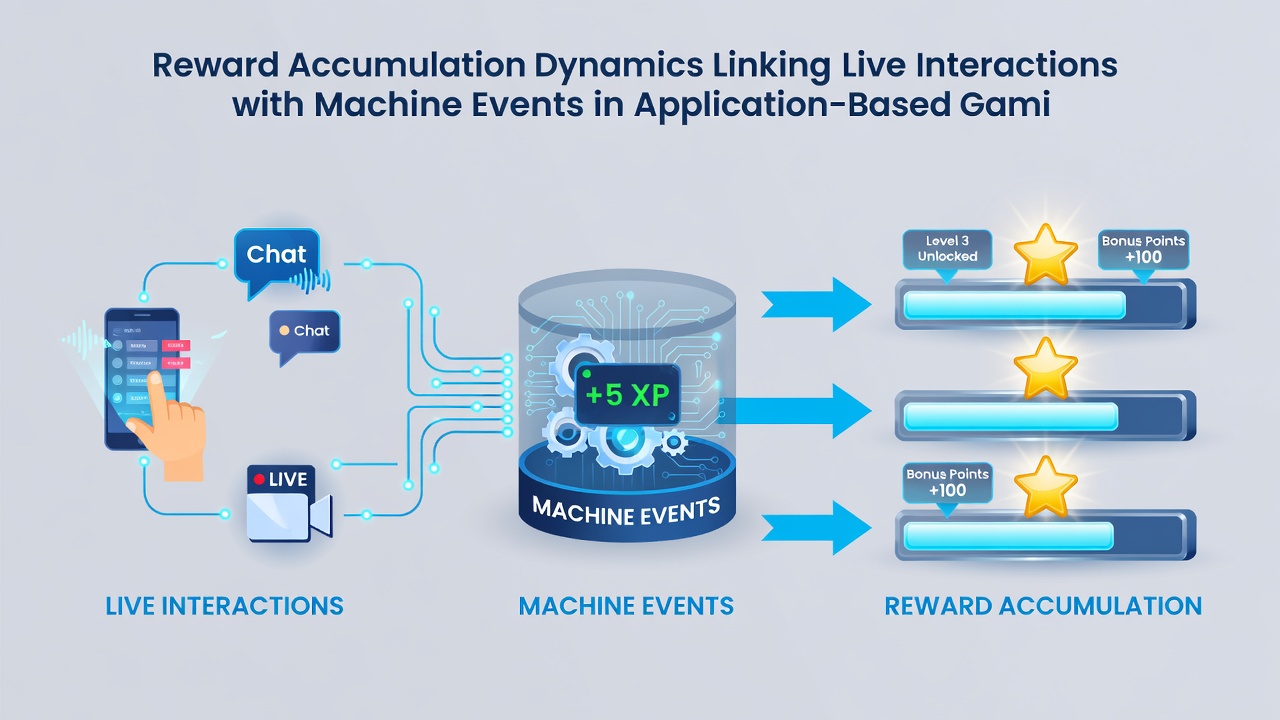
One documented case involves a North American operator that introduced tiered milestones requiring both live table participation and machine spin volume. After implementation, the number of users reaching the top reward tier rose from 4 percent to 11 percent within four months, according to the operator's quarterly disclosure. The milestone structure uses additive scoring rather than replacement, so progress in one area never cancels advancement in the other.
Technical Integration and Data Flow
Backend architectures rely on event buses that publish live interaction outcomes and machine event results to a central reward ledger. Each published event carries metadata tags identifying format type, stake level, and timestamp, allowing the ledger to apply accumulation rules without collision. Developers test these systems through A/B deployments that compare accumulation speed under different weighting schemes, and results consistently favor models that give slight preference to live interaction credits when machine events are already in progress.
Regulatory filings from the Nevada Gaming Control Board highlight that operators must maintain separate audit trails for live and machine components even when rewards merge downstream. Compliance logs therefore record every format transition, and this requirement has driven adoption of standardized data schemas that facilitate both internal analytics and external oversight. The same filings note that cross-format reward disputes accounted for less than 0.3 percent of total player queries in the most recent reporting period.
Conclusion
Reward accumulation dynamics in application-based gaming continue to evolve through tighter coupling of live interactions and machine events. Platform data, regulatory reports, and academic tracking all point to sustained growth in hybrid participation metrics through 2026, with accumulation engines serving as the primary mechanism that converts activity in either format into unified player benefits. As synchronization standards mature, observers expect further refinement of weighting algorithms that balance engagement across both live and automated components without introducing operational friction.