Digital Transaction Routes Enabling Seamless Transitions Between Free Play Credits and Competitive Slot Events on Handheld Devices
Written by Sage Roth · Aug 14, 2026

Digital Transaction Routes Enabling Seamless Transitions Between Free Play Credits and Competitive Slot Events on Handheld Devices
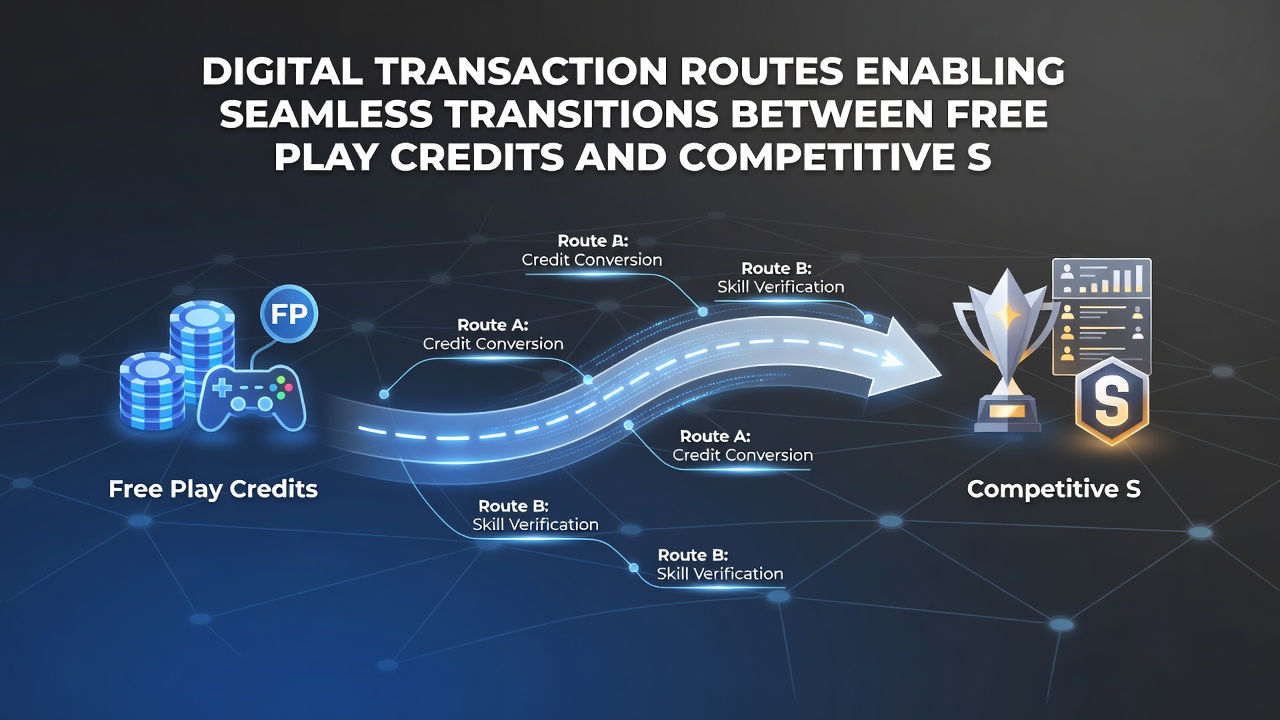
Digital transaction routes have developed into structured pathways that move free play credits into competitive slot events on handheld devices, and these systems rely on integrated payment processors along with secure APIs that handle conversions without interrupting gameplay. Developers design these routes to support real-time balance updates while maintaining compliance with regional gaming standards, and data from industry reports shows that transaction volumes in mobile slot environments increased notably through 2025 into August 2026.
Core Components of Transaction Pathways
Payment gateways serve as the foundation for these routes, and they process credit conversions by linking player accounts to event servers through encrypted channels. Handheld devices receive updated credit ledgers via push notifications, while backend systems verify eligibility before allowing entry into competitive slots. Observers note that platforms often incorporate tokenization methods, which replace sensitive account details with unique identifiers, and this approach reduces exposure during transfers between free play modes and paid tournament formats.
Software layers manage the transition logic, and these layers check device compatibility along with network conditions before executing any credit shift. Researchers at academic institutions have documented how latency under 200 milliseconds supports uninterrupted play sessions across various operating systems, and figures from mobile analytics providers indicate that optimized routes contribute to higher completion rates in slot events.
Integration with Handheld Device Features
Handheld hardware capabilities influence how transaction routes operate, since biometric authentication and secure enclaves on modern smartphones add verification steps during credit conversions. Platforms that utilize device-specific APIs can confirm player identity without requiring additional logins, and this setup streamlines movement from free play credits into active competitions. Data indicates that adoption of such features grew steadily as device manufacturers expanded support for advanced security protocols by mid-2026.
Network handoffs between Wi-Fi and cellular connections receive special handling in these systems, and routing algorithms prioritize stable connections to prevent transaction failures mid-event. Case examples from platform operators demonstrate that fallback mechanisms automatically reroute requests through secondary gateways when primary paths experience congestion, and this redundancy keeps competitive slot sessions accessible on handheld devices in varied environments.
Regulatory Frameworks and Compliance Measures
Regional authorities establish rules that govern how free play credits convert into competitive formats, and operators must align transaction routes with these requirements to maintain licensing. The American Gaming Association has published summaries on mobile gaming growth that highlight the need for transparent audit trails in credit movements. Platforms incorporate logging functions that record each conversion step, and regulators review these records during periodic assessments.
International examples show variation in approach, and Australia's Australian Communications and Media Authority oversees similar digital transaction standards that emphasize consumer protection during shifts between free play and paid events. Those who manage large-scale deployments often implement automated compliance checks that flag potential issues before credits reach tournament servers, and this proactive method helps sustain operational continuity across handheld networks.
Technical Standards Supporting Credit Mobility
Standardized protocols such as those developed through industry consortia enable consistent data exchange between free play systems and competitive slot engines. These protocols define message formats for credit requests and responses, and they support scalability as player volumes rise during peak tournament periods. Evidence from technical white papers reveals that adoption of unified standards reduces integration errors when new handheld models enter the market.
Encryption standards evolve alongside transaction demands, and current implementations use multi-layer protections that secure data both in transit and at rest. Platform engineers test these measures against simulated attack scenarios, and results confirm that robust routes maintain integrity even when handling high-frequency credit switches on mobile connections.
Future Developments in Transaction Efficiency
Emerging technologies like distributed ledger elements appear in pilot programs aimed at further securing credit transitions, and these trials focus on immutable records of free play to competitive event movements. Handheld device advancements, including faster processors and improved connectivity standards, create opportunities for even quicker route execution as of August 2026. Observers track these changes through performance metrics that compare conversion times across successive platform updates.
Conclusion
Digital transaction routes continue to refine the connection between free play credits and competitive slot events on handheld devices through coordinated technical and regulatory efforts. Systems built on verified protocols and secure hardware features deliver consistent performance, while ongoing adaptations address new device capabilities and compliance expectations. Data from multiple regions underscores steady expansion in these mobile gaming infrastructures, and the documented approaches provide clear frameworks for sustained operation.